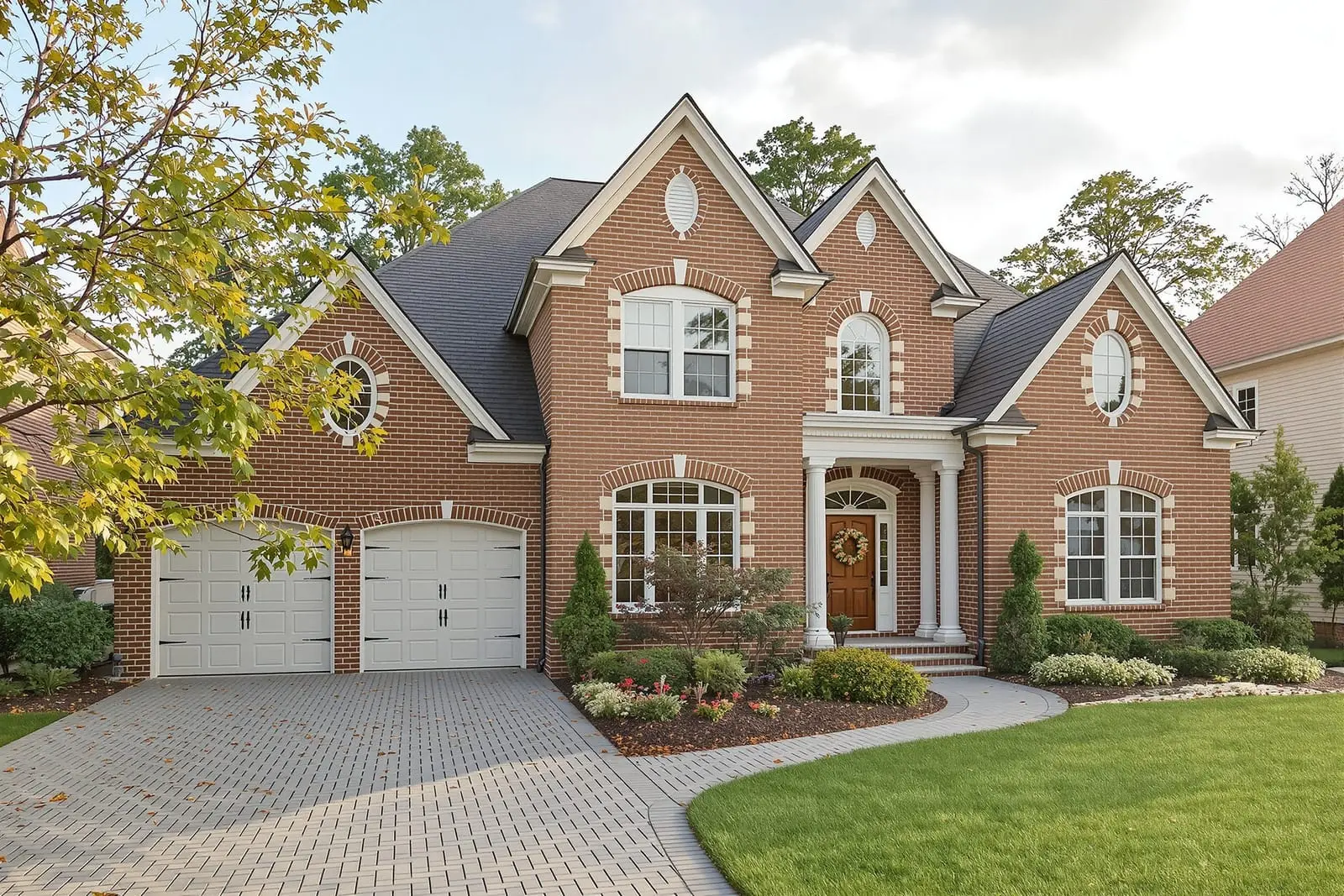
We specialize in masonry repair and restoration in Tuscaloosa, AL for brick, stone, and block structures. Our team addresses cracks, bulging walls, loose units, and water damage with proven repair methods. Whether your home is newer or historic, we work to blend new materials with old so your masonry looks consistent and performs safely.
Vanguard Masonry Tuscaloosa provides professional masonry repair throughout Tuscaloosa, AL and the surrounding area. Our licensed, insured crew delivers safe, clean, on-time work with a free estimate before anything begins. Call (205) 526-4928 or request your free quote.
Targeted Masonry Repair for Tuscaloosa Homes and Buildings
Masonry repair is only effective when it addresses the specific cause of the damage, not just the visible cracks. At Vanguard Masonry Tuscaloosa, we start by looking at how your brick, block, or stone structure was built, how water moves around it, and how the soil and foundation are behaving. In Tuscaloosa, we see a lot of damage from shifting clay soils, heavy rain events, and long hot summers that expand and contract mortar joints.
When you call us, we begin with a site visit where we inspect cracking patterns, bulging walls, loose brick or stone, and any staining that points to water entry. We check grading, gutters, and nearby concrete to see if drainage is pushing water into the masonry. We also note the age of the structure and the type of brick or stone, since older clay bricks in central Alabama are softer and need different repair materials than newer, harder units.
Once we understand the cause, we explain whether you need spot tuckpointing, partial wall rebuilding, lintel repair over openings, or more extensive masonry restoration. Vanguard Masonry Tuscaloosa focuses on long term fixes that match the look and performance of the original work, not quick patch jobs that fail within a year or two.
How Masonry Repair and Restoration Is Actually Done
For most masonry repair projects in Tuscaloosa, the first hands-on step is careful removal of failed materials. That may mean raking out loose or cracked mortar joints to a proper depth instead of just skimming new mortar on top. On damaged brick or block, we cut out broken units so the surrounding masonry is not disturbed and the wall remains stable.
After removal, we clean the joint surfaces so new mortar can bond. This often includes brushing out dust, washing off salts, and in some cases lightly wetting the masonry so it does not pull moisture too quickly out of the fresh mortar. For restoration work on older properties, we take time to test small sample mixes so the new mortar color and texture blend with the existing wall.
We then place new mortar in layers, packing the back of the joint first and compacting each pass. This eliminates voids that could trap water. On visible faces, we tool the joint to match the original style, such as concave or flush joints. For brick replacement, we set new or salvaged bricks in line with the existing pattern, checking alignment and joint thickness so the repair does not draw the eye.
Where structural support is involved, such as sagging brick over windows and doors, we often install or replace steel lintels. This may include temporarily supporting brick, removing corroded steel, cleaning bearing pockets, priming new steel, and rebuilding the masonry above. Each step is handled in sequence so the opening remains safe and the finished work looks original rather than patched.
Common Masonry Problems in Tuscaloosa and How We Fix Them
Our climate in Tuscaloosa creates certain recurring masonry issues, and each one has a specific repair approach if you want it to last.
Cracked joints and stair-step cracking along mortar lines usually point to minor movement in the foundation or settling fill dirt along newer additions. With these, Vanguard Masonry Tuscaloosa assesses whether the movement is ongoing. If it is stable, we clean and repoint the cracked joints with a compatible mortar and monitor for new movement. If cracks are widening or doors and windows are sticking, we may recommend bringing in a foundation specialist first, then doing masonry repair after stabilization.
Spalled brick faces, where the outer surface flakes off, are common on chimney tops, parapet walls, and near grade where sprinklers hit. This is often from trapped moisture and sometimes from past repairs that used too-hard mortar. We remove deteriorated units, correct any moisture source like failed caps or flashing, and replace with matching brick. On chimneys, we often pair this with a new concrete crown and improved flashing to keep water from reentering.
Efflorescence, the white chalky staining on brick, tells us water is moving through the masonry and evaporating on the surface. The fix is not just washing the wall. We track down water entry, which might be from porous joints, missing sealant around windows, or negative grading, then repoint and seal where needed. Only after the source is managed do we clean the salts, usually with low pressure washing and masonry-safe cleaners.
Bulging walls or loose brick near balconies, porches, and garage openings usually involve corroded steel or failed connections. In those cases, we open sections of the wall, address rusted lintels or ties, and rebuild the area in stages so each course is properly supported and tied back into sound masonry.
Masonry Restoration for Older Brick and Historic Details
Many Tuscaloosa homes and small commercial buildings from the mid 20th century and earlier use softer brick and lime-rich mortar that behave very differently from modern materials. True masonry restoration respects that difference. At Vanguard Masonry Tuscaloosa, we do not use the same mortar on a 1940s bungalow that we use on a newer shopping center.
For older structures, we often analyze the existing mortar by color and texture, then match its hardness with custom mixes. The goal is for the mortar to be slightly softer than the brick, so movement and moisture relieve through the joints rather than breaking the brick faces. This detail matters for long term durability and is one of the main differences between restoration work and basic patching.
Architectural details like arches, corbels, and decorative bands require patient disassembly and reconstruction. We photograph and document the pattern before removing any units, then rebuild in the same sequence so the load paths and visual rhythm are preserved. If matching brick is no longer manufactured, we locate the closest available materials and adjust joint color and tooling to blend the new work into the old.
On historic chimneys and porch columns, restoration may also mean rebuilding from the roofline up, installing proper flashing that was never added originally, and improving caps and water shedding surfaces while keeping the same profile and proportions. The result is a structure that looks period-correct but stands up better to today’s rainfall and temperature swings.
What Affects Masonry Repair Cost and Timeline
Costs for masonry repair in Tuscaloosa vary based on several practical factors. The size of the damaged area is one part, but the real drivers are access, material matching, and whether underlying structural issues need attention.
Access means how easy it is to reach the work. A ground-level garden wall is faster and less costly than a tall chimney beside a steep roof that needs staging or lift equipment. Tight side yards and limited truck access can also affect how we move materials and debris.
Material matching affects both labor and cost. If the repair must blend seamlessly, we may source specific brick from regional yards, order special shapes, or custom tint the mortar. This takes more time than a purely functional repair on a hidden wall, but it matters on front elevations and historic facades. Vanguard Masonry Tuscaloosa is upfront about these options so you can decide how exact a match you want and what fits your budget.
Structural issues, such as failing lintels, significant bulging, or active foundation movement, require more involved work and sometimes coordination with engineers or other trades. In those cases, we phase the project, handle stabilization first, then complete the visible restoration. This approach prevents you from paying for masonry repair twice.
Timeline also depends on weather. In our region, we try to avoid major masonry repair during prolonged heavy rain or extreme cold snaps. Spring and fall are usually ideal, but we can work through most of the year by adjusting work hours and protection methods. During hot Tuscaloosa summers, we often schedule mortar work earlier in the day and use shading and misting to prevent rapid drying, which helps the finished joints cure properly.
Scheduling Masonry Repair in Tuscaloosa and What to Expect
Before work starts, we provide a detailed written scope that explains which sections will be repaired, what materials will be used, and how we will protect nearby landscaping, siding, and walkways. For many Tuscaloosa homeowners, this is the first masonry project they have managed, so we keep the process clear and straightforward.
On the first day, Vanguard Masonry Tuscaloosa sets up safety measures and protection. This may include tarps over shrubs, plywood over decks, and dust control barriers near doors or windows. Masonry repair can be dusty, but with the right containment and cleanup practice, we keep disruption under control.
You can expect noise from grinders during mortar removal and brick cutting, usually scheduled during normal daytime hours. We remove debris daily or as needed so it does not pile up in your yard or driveway. At each stage, you can see the progress, including cleaned out joints, newly laid brick or block, and finished tooling.
At project completion, we do a walkthrough with you to review the repairs, point out any areas that were stabilized but left visible for monitoring, and explain any recommended maintenance, such as how often to check sealants, what to watch for around gutters and downspouts, and when to call us if you notice new cracks. Our goal is for you to understand what was done and why, so you can protect your investment and avoid preventable masonry problems in the future.
“
Professional masonry repair and restoration, done right the first time, quality materials, honest pricing, and results that last.
Vanguard Masonry Tuscaloosa
Masonry Repair and Restoration Across Our Service Area